Tequila is a distilled spirit made from the fermented juice of the Blue Weber Agave plant (Agave tequilana), a succulent native to Mexico. By law, true tequila can only be produced in five designated regions of Mexico — primarily the state of Jalisco, where the volcanic soil and high-altitude climate create ideal growing conditions.
The history of tequila stretches back over a thousand years. The Aztecs fermented agave to produce pulque, a milky, mildly alcoholic drink used in ceremonies. When Spanish conquistadors arrived in the 16th century, they brought distillation techniques from Europe — and the first true tequila was born.
By the 18th century, the Cuervo and Sauza families had established commercial distilleries in the town of Tequila, Jalisco. Today, the spirit is protected by a Denominación de Origen (DO) — meaning every bottle labelled "tequila" must meet strict production standards and come from an approved region.
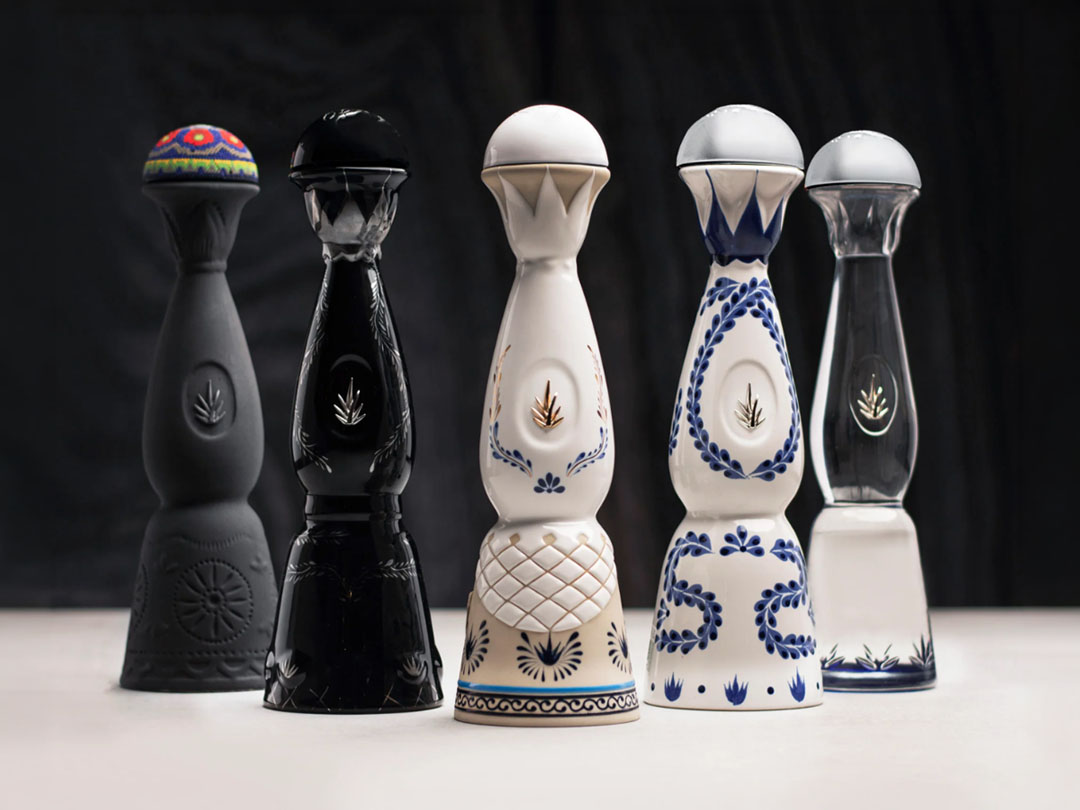
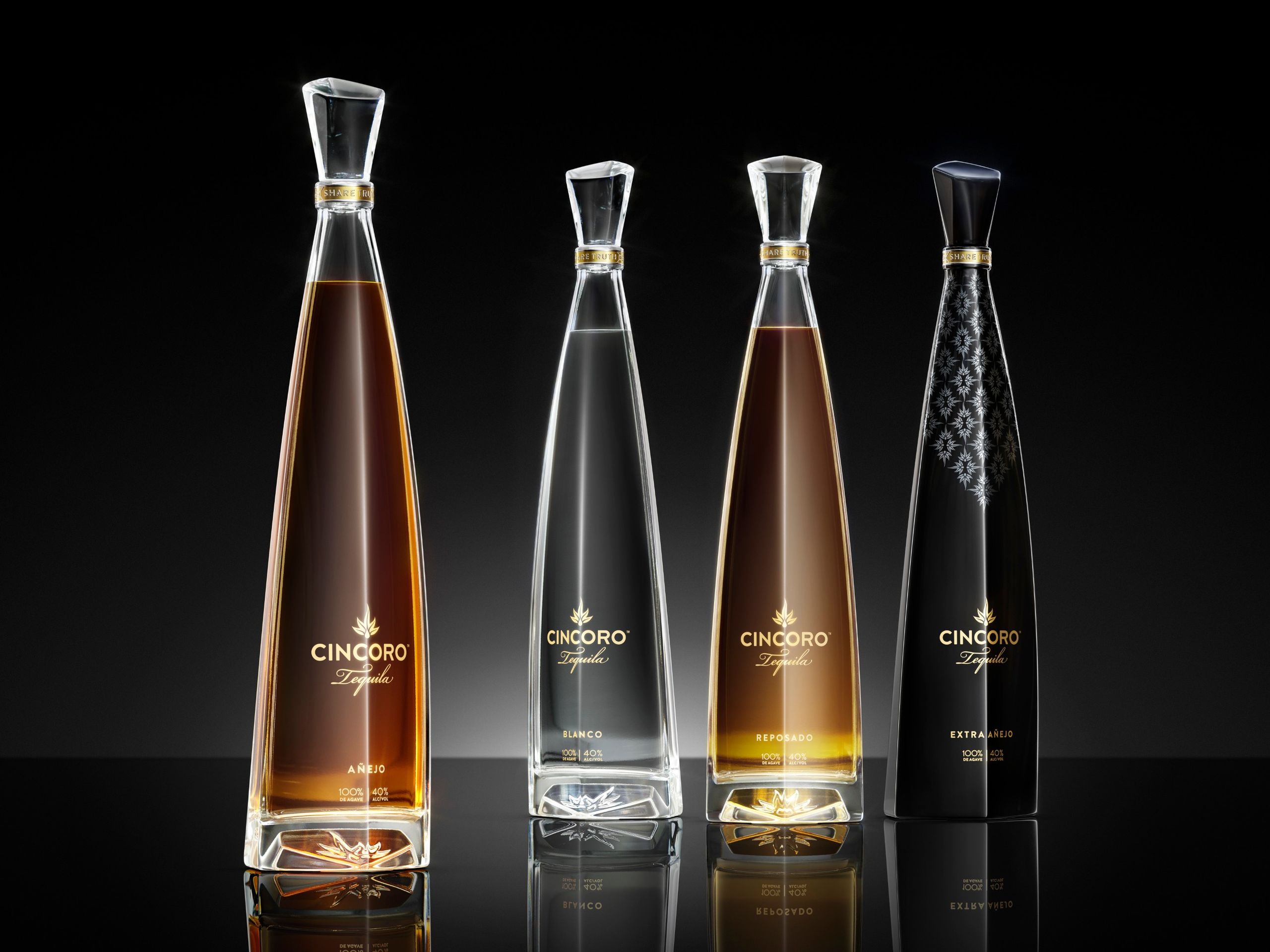
Not all tequila is created equal. Premium tequilas like Clase Azul and Cincoro are made from 100% Blue Weber Agave (no sugars or additives) and are aged in carefully selected barrels — from unaged Blanco to Extra Añejo aged up to five years or more.